

No, there are no wild hippos in the United States. Hippos are native only to sub-Saharan Africa, and none have ever established a wild population anywhere in America — despite one genuinely serious attempt in Congress to make that happen over a century ago.
You can, however, see real hippos at zoos across the country, including one of the most famous individual hippos alive today.
Where to See Hippos in the USA
Cincinnati Zoo (Ohio) — Home of Fiona
The single most famous hippo in America lives here. Fiona, covered in full in our baby hippo guide, was born six weeks premature in January 2017 and became a global phenomenon after the zoo’s round-the-clock effort to save her. She’s since grown into a healthy adult and remains one of the zoo’s biggest draws.
Visitors can take the Hippo Barn Tour, and the zoo runs a recurring summer event called Fiona’s Sundae Fundae in her honour. General admission runs around $90 (with discounts for multi-day tickets), and the more in-depth Hippo Insider Tour starts at roughly $30 per person.
National Zoo, Washington D.C. — Home of Billy’s Legacy
The Smithsonian’s National Zoo doesn’t just have hippos today — it’s genetic ground zero for most pygmy hippos in American zoos. In 1927, tire magnate Harvey Firestone gifted a pygmy hippo named Billy to President Calvin Coolidge, who donated him to the National Zoo.
Billy sired 23 calves before his death in 1955, and according to zoo records, he’s the common ancestor of the majority of pygmy hippos living in U.S. zoos today — a story covered in more detail in our guide to the most famous hippos in history.
San Diego Zoo (California) — The West Coast Original
San Diego Zoo has one of the longest hippo histories of any zoo on the West Coast. Its first hippo, Puddles, arrived in 1936 — the first hippo ever cared for by a zoo on the West Coast. A later pair, Rube and Ruby, arrived in 1940 from Calcutta Zoo in India and went on to produce 11 offspring together; Rube lived to be 51 years old, one of the oldest hippos ever recorded in human care.
Today, the zoo’s Urban Jungle habitat is home to a female named Funani and her calf Amahle, born in February 2020 — and the zoo runs a live Hippo Cam so you can check in on them online any time. San Diego also keeps pygmy hippos at its Lost Forest exhibit, where they share space with Wolf’s monkeys, which have been observed riding on the hippos’ backs.
Busch Gardens Tampa Bay (Florida)
One of the most hands-on hippo experiences in the country. The park’s Hippo Insider Tour lets visitors feed and interact with the hippos directly under keeper supervision — a popular enough experience that it’s worth booking ahead rather than showing up and hoping for a spot.
San Antonio Zoo (Texas)
A family-friendly option with exhibits set close together for easy full-day visits. Standard admission runs around $22 for adults, $17 for children, and free for toddlers under 3. The zoo’s Close Encounter experience, priced at roughly $40 per person, gets visitors significantly closer to the hippos than standard viewing allows.
Milwaukee County Zoo (Wisconsin) — See Them Swim, Not Just Stand
This is one of only a handful of zoos in the country where you can actually watch a hippo move underwater rather than just seeing it standing at the surface. The zoo’s Dohmen Family Foundation Hippo Haven, which opened in 2020, is built around an enormous 60,000-gallon tank with an 85-foot wall of glass roughly three inches thick, letting visitors watch the hippos — residents Happy and Patti — walk and glide along the bottom exactly the way they do in the wild.
Since hippos spend most of their lives submerged, this kind of underwater window is one of the only ways to actually see the behaviour covered in our guide to how hippos sleep and move underwater — rather than just the top of a head poking out of the water.
Pygmy Hippos: Metro Richmond Zoo and Beyond
Beyond the National Zoo, pygmy hippos — covered in full in our pygmy hippo guide — are bred and exhibited at several U.S. institutions, including the Metro Richmond Zoo, Montgomery Zoo, and Pittsburgh Zoo, all participating in the wider cooperative breeding effort descended largely from Billy’s original lineage.
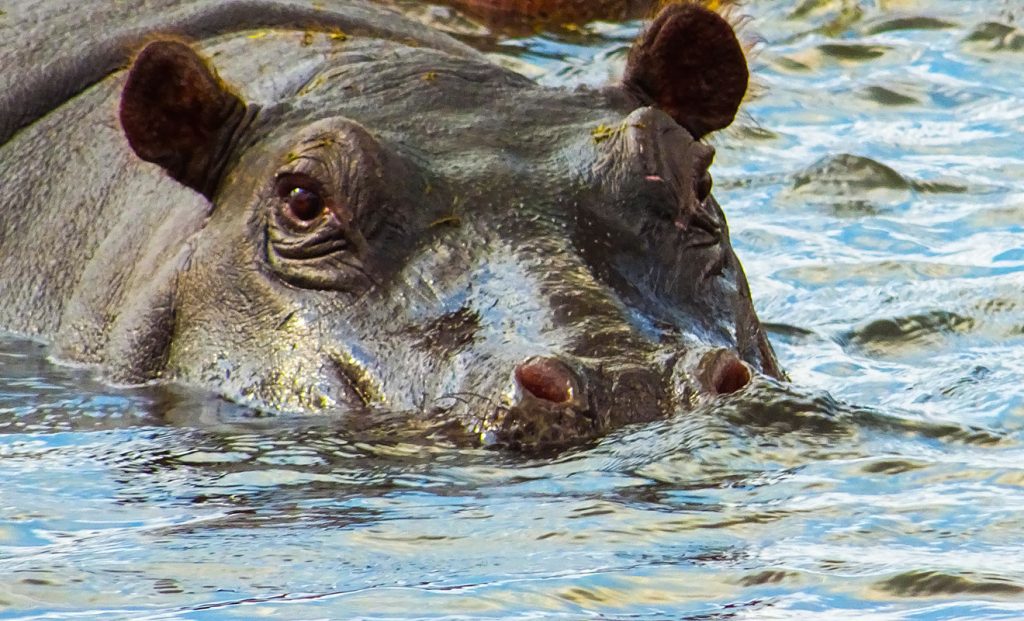
The 1910 Plan That Almost Put Wild Hippos in Louisiana
This is the real story, and it’s genuinely one of the stranger footnotes in American legislative history.
In 1910, Louisiana Congressman Robert F. Broussard introduced House Resolution 23261 — informally known as the “American Hippo Bill” — proposing that the U.S. government fund the importation and release of hippopotamuses into the bayous and swamps of Louisiana, according to Wikipedia’s detailed account of the episode. The reasoning was oddly practical for something so wild-sounding: hippos, Broussard argued, would eat the invasive water hyacinth that was choking Louisiana’s waterways, while also providing a new source of meat to help ease a serious national beef shortage at the time.
The bill wasn’t a fringe idea. Broussard recruited William Newton Irwin, a USDA researcher, who testified to Congress that hippo ranching could add as much as one million tons of meat per year to the American food supply — and Irwin didn’t stop at hippos, suggesting the same approach could work for dik-diks, rhinoceroses, African buffalo, Tibetan yaks, and wild boar. The proposal also drew support from real, colourful public figures, including the adventurer and army scout Frederick Russell Burnham and the notorious former spy Fritz Duquesne.
Despite genuine momentum and a broad base of support, the bill was never passed by Congress, and the idea quietly faded as American beef production expanded through other means in the following years. No hippos were ever released into Louisiana, and the plan remains one of the closest the U.S. ever came to having an actual wild hippo population.

Frequently Asked Questions
Are there wild hippos in the USA?
No. Hippos are native only to sub-Saharan Africa, and no wild population has ever existed in the United States.
Was there really a plan to introduce hippos to America?
Yes. In 1910, Louisiana Congressman Robert F. Broussard introduced the “American Hippo Bill” in Congress, proposing hippos be released into Louisiana’s bayous to control invasive water hyacinth and provide a new meat source. It had real, high-profile support but was never passed into law.
Where can I see hippos in the USA?
Zoos across the country keep hippos, including Cincinnati Zoo (home of the famous Fiona), the National Zoo in Washington D.C., San Diego Zoo, Busch Gardens Tampa Bay, San Antonio Zoo, and Milwaukee County Zoo, which offers a rare underwater viewing window.
Which US zoo lets you see hippos swimming underwater?
Milwaukee County Zoo’s Dohmen Family Foundation Hippo Haven has an 85-foot underwater viewing window into a 60,000-gallon tank, letting visitors watch hippos move along the bottom the way they naturally do in the wild — one of only a handful of US zoos with this kind of exhibit.
Who is the most famous hippo in America?
Fiona, at the Cincinnati Zoo, is widely considered the most famous living hippo in the country, having become a global phenomenon after surviving a premature birth in 2017
Are pygmy hippos in U.S. zoos related to each other?
Many are. A pygmy hippo named Billy, gifted to President Calvin Coolidge in 1927 and kept at the National Zoo, sired 23 calves and is the common ancestor of most pygmy hippos currently living in American zoos.
Explore more on Hippoworlds: baby hippo — Fiona’s story · most famous hippos in history — Billy’s legacy · pygmy hippo guide · how do hippos sleep

I’ve been writing and running HippoWorlds’ content since 2019. I lived in Angola and was lucky enough to see hippos in the wild in Botswana and South Africa — I’m not a scientist, but a curious enthusiast dedicated to making this site a serious reference on the species.